 Service
(function () {
function textOf(el) {
return (el && el.textContent || "").replace(/\s+/g, " ").trim();
}
function resolveItemUrl() {
var match = window.location.search.match(/[?&]item=(\d+)/);
if (!match) {
return null;
}
return window.location.origin + "/a-" + match[1] + "/";
}
function loadAccordion() {
var url = resolveItemUrl();
if (!url) {
return Promise.resolve(null);
}
return new Promise(function (resolve, reject) {
var xhr = new XMLHttpRequest();
xhr.open("GET", url, true);
xhr.onload = function () {
if (xhr.status < 200 || xhr.status >= 400) {
reject(new Error("item page " + xhr.status));
return;
}
var doc = new DOMParser().parseFromString(xhr.responseText, "text/html");
resolve(doc.querySelector(".phywe-item-accordion"));
};
xhr.onerror = function () {
reject(new Error("item page network error"));
};
xhr.send();
});
}
function parseItemBlocks(scope, withQuantity) {
if (!scope) {
return [];
}
var rows = scope.querySelectorAll(".itemslist .row.itemblocks");
var items = [];
for (var i = 0; i < rows.length; i++) {
var cols = rows[i].children;
if (!cols.length) {
continue;
}
var nameLink = cols[0].querySelector("a");
var numberLink = cols[1] ? cols[1].querySelector("a") : null;
var item = {
name: textOf(nameLink || cols[0]),
mappedTo: textOf(numberLink)
};
if (withQuantity && cols[2]) {
var qty = parseInt(textOf(cols[2]).replace(/[^\d]/g, ""), 10);
item.quantity = isNaN(qty) ? textOf(cols[2]) : String(qty);
}
if (item.name) {
items.push(item);
}
}
return items;
}
function fillTable(tableId, items, withQuantity) {
var table = document.getElementById(tableId);
if (!table || !items.length) {
return;
}
var tbody = table.querySelector("tbody");
for (var i = 0; i < items.length; i++) {
var tr = document.createElement("tr");
var nameTd = document.createElement("td");
nameTd.style.width = "80%";
nameTd.textContent = items[i].name;
tr.appendChild(nameTd);
var numberTd = document.createElement("td");
numberTd.textContent = items[i].mappedTo;
tr.appendChild(numberTd);
if (withQuantity) {
var qtyTd = document.createElement("td");
qtyTd.textContent = items[i].quantity || "";
tr.appendChild(qtyTd);
}
tbody.appendChild(tr);
}
var wrapper = table.parentElement;
while (wrapper && wrapper.className.indexOf("printtablediv") === -1) {
wrapper = wrapper.parentElement;
}
if (wrapper) {
wrapper.style.display = "";
}
}
function stepTitle(stepEl) {
if (!stepEl) {
return "";
}
var titleEl = stepEl.querySelector(".card-header button div") || stepEl.querySelector(".card-header button");
return textOf(titleEl);
}
function setHeadline(tableId, title) {
var headline = document.querySelector("#" + tableId + " .printtableheadline");
if (headline && title) {
headline.textContent = title;
}
}
function parseMedia(scope) {
if (!scope) {
return [];
}
var rows = scope.querySelectorAll(".itemslist .row.itemblocks");
var items = [];
for (var i = 0; i < rows.length; i++) {
var cols = rows[i].children;
if (!cols.length) {
continue;
}
var nameLink = cols[0].querySelector("a");
var fileLink = cols[1] ? cols[1].querySelector("a") : null;
var item = {
name: textOf(nameLink || cols[0]),
mappedTo: textOf(fileLink || cols[1]),
quantity: cols[2] ? textOf(cols[2]) : ""
};
if (item.name) {
items.push(item);
}
}
return items;
}
function fillFromAccordion(accordion) {
if (!accordion) {
return;
}
var versucheStep = accordion.querySelector('[data-step="versuche"]');
var versuche = parseItemBlocks(versucheStep, false);
setHeadline("print-versuche", stepTitle(versucheStep));
fillTable("print-versuche", versuche, false);
var lieferumfangStep = accordion.querySelector('[data-step="lieferumfang"]');
var lieferumfang = parseItemBlocks(lieferumfangStep, true);
fillTable("print-lieferumfang", lieferumfang, true);
var zubehoer = accordion.querySelector('[data-step="zubehoer"]');
var sections = zubehoer ? zubehoer.querySelectorAll(".card-body") : [];
var notwendig = [];
var empfohlen = [];
for (var i = 0; i < sections.length; i++) {
var items = parseItemBlocks(sections[i], false);
if (sections[i].querySelector(".text-red, .icon-warning-black")) {
notwendig = items;
} else if (sections[i].querySelector(".text-green, .icon-Mehrwert_black")) {
empfohlen = items;
}
}
fillTable("print-zubehoer-notwendig", notwendig, false);
fillTable("print-zubehoer-empfohlen", empfohlen, false);
var mediaStep = accordion.querySelector('[data-step="media"]');
var media = parseMedia(mediaStep);
setHeadline("print-media", stepTitle(mediaStep));
fillTable("print-media", media, true);
}
function start() {
var itemUrl = resolveItemUrl();
if (!itemUrl) {
setTimeout(function () {
window.print();
}, 2000);
return;
}
loadAccordion()
.then(function (accordion) {
fillFromAccordion(accordion);
})
.catch(function (err) {
if (window.console && console.warn) {
console.warn("Accordion konnte nicht geladen werden:", resolveItemUrl(), err);
}
})
.then(function () {
setTimeout(function () {
window.print();
}, 500);
});
}
if (document.readyState === "loading") {
document.addEventListener("DOMContentLoaded", start);
} else {
start();
}
})();

Technical data Resilience of bonesArticle no: P9621000 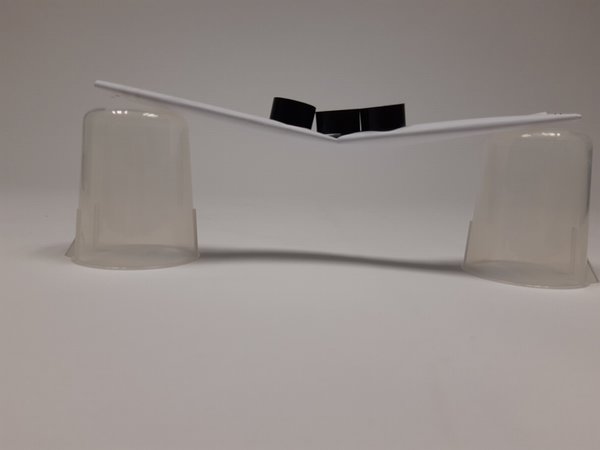 Principle Humans have several different types of bones, which differ in structure and function. On the one hand, the bones differ in length, on the other hand in shape (flat or tubular). In this experiment, students investigate the strength of tubular and plate bones using a simple model made of cardboard and weights. To do this, they load the model bones with weights and observe how differently the bones bend. Because of the way tubular bones are constructed, they are better suited for stronger loads. This is why long tubular bones form the supporting framework in the human skeleton. The tubular bones serve the body mainly as a support function
| ||||||||||||
PHYWE Systeme GmbH & Co. KG
Robert-Bosch-Breite 10 – 37079 Göttingen – Germany
www.phywe.com
Robert-Bosch-Breite 10 – 37079 Göttingen – Germany
www.phywe.com

