(function () { function textOf(el) { return (el && el.textContent || "").replace(/\s+/g, " ").trim(); } function resolveItemUrl() { var match = window.location.search.match(/[?&]item=(\d+)/); if (!match) { return null; } return window.location.origin + "/a-" + match[1] + "/"; } function loadAccordion() { var url = resolveItemUrl(); if (!url) { return Promise.resolve(null); } return new Promise(function (resolve, reject) { var xhr = new XMLHttpRequest(); xhr.open("GET", url, true); xhr.onload = function () { if (xhr.status < 200 || xhr.status >= 400) { reject(new Error("item page " + xhr.status)); return; } var doc = new DOMParser().parseFromString(xhr.responseText, "text/html"); resolve(doc.querySelector(".phywe-item-accordion")); }; xhr.onerror = function () { reject(new Error("item page network error")); }; xhr.send(); }); } function parseItemBlocks(scope, withQuantity) { if (!scope) { return []; } var rows = scope.querySelectorAll(".itemslist .row.itemblocks"); var items = []; for (var i = 0; i < rows.length; i++) { var cols = rows[i].children; if (!cols.length) { continue; } var nameLink = cols[0].querySelector("a"); var numberLink = cols[1] ? cols[1].querySelector("a") : null; var item = { name: textOf(nameLink || cols[0]), mappedTo: textOf(numberLink) }; if (withQuantity && cols[2]) { var qty = parseInt(textOf(cols[2]).replace(/[^\d]/g, ""), 10); item.quantity = isNaN(qty) ? textOf(cols[2]) : String(qty); } if (item.name) { items.push(item); } } return items; } function fillTable(tableId, items, withQuantity) { var table = document.getElementById(tableId); if (!table || !items.length) { return; } var tbody = table.querySelector("tbody"); for (var i = 0; i < items.length; i++) { var tr = document.createElement("tr"); var nameTd = document.createElement("td"); nameTd.style.width = "80%"; nameTd.textContent = items[i].name; tr.appendChild(nameTd); var numberTd = document.createElement("td"); numberTd.textContent = items[i].mappedTo; tr.appendChild(numberTd); if (withQuantity) { var qtyTd = document.createElement("td"); qtyTd.textContent = items[i].quantity || ""; tr.appendChild(qtyTd); } tbody.appendChild(tr); } var wrapper = table.parentElement; while (wrapper && wrapper.className.indexOf("printtablediv") === -1) { wrapper = wrapper.parentElement; } if (wrapper) { wrapper.style.display = ""; } } function stepTitle(stepEl) { if (!stepEl) { return ""; } var titleEl = stepEl.querySelector(".card-header button div") || stepEl.querySelector(".card-header button"); return textOf(titleEl); } function setHeadline(tableId, title) { var headline = document.querySelector("#" + tableId + " .printtableheadline"); if (headline && title) { headline.textContent = title; } } function parseMedia(scope) { if (!scope) { return []; } var rows = scope.querySelectorAll(".itemslist .row.itemblocks"); var items = []; for (var i = 0; i < rows.length; i++) { var cols = rows[i].children; if (!cols.length) { continue; } var nameLink = cols[0].querySelector("a"); var fileLink = cols[1] ? cols[1].querySelector("a") : null; var item = { name: textOf(nameLink || cols[0]), mappedTo: textOf(fileLink || cols[1]), quantity: cols[2] ? textOf(cols[2]) : "" }; if (item.name) { items.push(item); } } return items; } function fillFromAccordion(accordion) { if (!accordion) { return; } var versucheStep = accordion.querySelector('[data-step="versuche"]'); var versuche = parseItemBlocks(versucheStep, false); setHeadline("print-versuche", stepTitle(versucheStep)); fillTable("print-versuche", versuche, false); var lieferumfangStep = accordion.querySelector('[data-step="lieferumfang"]'); var lieferumfang = parseItemBlocks(lieferumfangStep, true); fillTable("print-lieferumfang", lieferumfang, true); var zubehoer = accordion.querySelector('[data-step="zubehoer"]'); var sections = zubehoer ? zubehoer.querySelectorAll(".card-body") : []; var notwendig = []; var empfohlen = []; for (var i = 0; i < sections.length; i++) { var items = parseItemBlocks(sections[i], false); if (sections[i].querySelector(".text-red, .icon-warning-black")) { notwendig = items; } else if (sections[i].querySelector(".text-green, .icon-Mehrwert_black")) { empfohlen = items; } } fillTable("print-zubehoer-notwendig", notwendig, false); fillTable("print-zubehoer-empfohlen", empfohlen, false); var mediaStep = accordion.querySelector('[data-step="media"]'); var media = parseMedia(mediaStep); setHeadline("print-media", stepTitle(mediaStep)); fillTable("print-media", media, true); } function start() { var itemUrl = resolveItemUrl(); if (!itemUrl) { setTimeout(function () { window.print(); }, 2000); return; } loadAccordion() .then(function (accordion) { fillFromAccordion(accordion); }) .catch(function (err) { if (window.console && console.warn) { console.warn("Accordion konnte nicht geladen werden:", resolveItemUrl(), err); } }) .then(function () { setTimeout(function () { window.print(); }, 500); }); } if (document.readyState === "loading") { document.addEventListener("DOMContentLoaded", start); } else { start(); } })();
 

Technical data


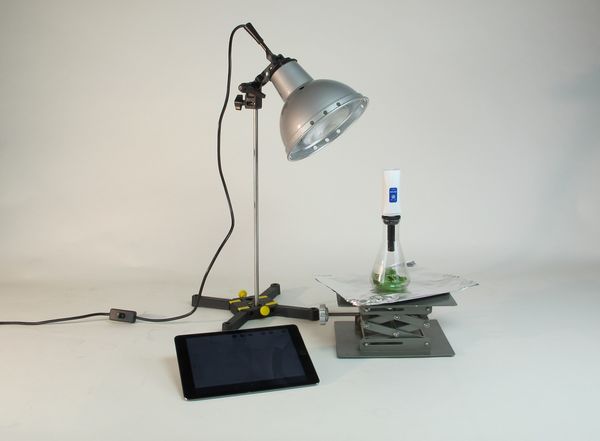
Respiration of plants with Cobra SMARTsense

Article no: P4110769
<!DOCTYPE html PUBLIC "-//W3C//DTD XHTML 1.0 Transitional//EN" "http://www.w3.org/TR/xhtml1/DTD/xhtml1-transitional.dtd"> Unknown

Principle

All living beings need energy and this is provided by a chemical process. The energy balance of plants is regulated by several processes. During the day (when there is light) plants carry out photosynthesis, using light energy to produce carbohydrates (glucose) and oxygen, consuming carbon dioxide and water. If required, this stored energy can be released in the form of glucose (sugar) through the so-called light-independent plant respiration. The term plant respiration may be confusing, since plants, unlike animals and humans, do not really breathe. However, in this process oxygen and carbohydrates (glucose) are consumed to produce carbon dioxide. In the balance, however, plants release more oxygen into the atmosphere than carbon dioxide.

Benefits

  • Especially understandable and didactically prepared description of the experiment (reference to everyday life etc.) including protocol questions.
  • Future-oriented teaching: Integration into digital science lessons with tablets or smartphones.
  • Increased motivation of students by using the intuitive measureAPP.
  • Increased media competence.
  • Compact, easily transportable experimental set-up
  • suitable for demo experiments and practical training
  • Flexible test execution thanks to wireless data transmission

Tasks

  1. measurement of the carbon dioxide content by light irradiation and in darkness
  2. discussion of the differences between the measured curves

Learning Objectives

The students are to study the light-dependent increase and decrease in the carbon dioxide content of plant leaves (spinach). They will be introduced to the concepts of plant respiration and photosynthesis.


PHYWE Systeme GmbH & Co. KG
Robert-Bosch-Breite 10 – 37079 Göttingen – Germany
www.phywe.com

Contact