 Service
Principle
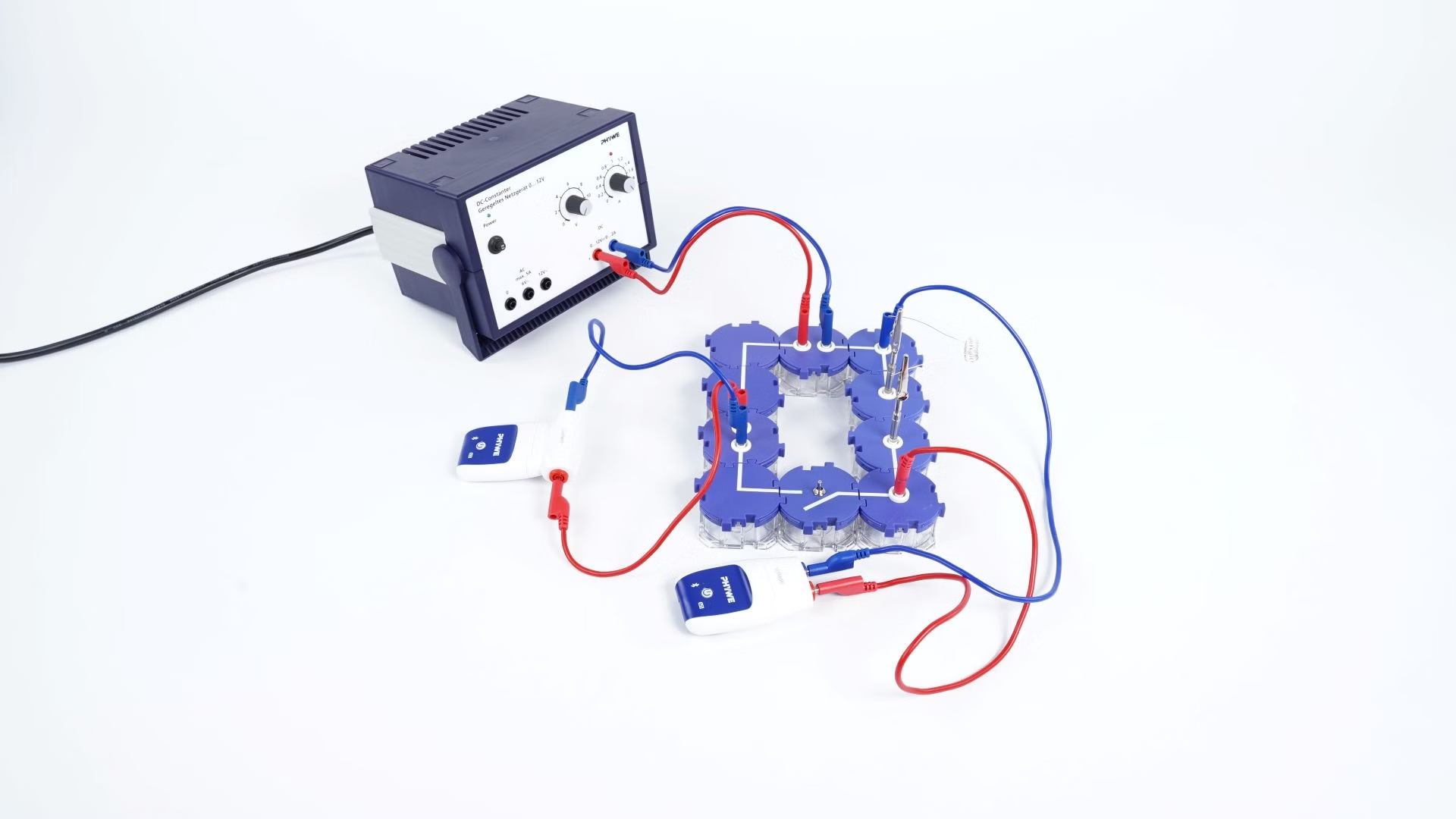
An electric current is applied to a constantan wire. The wire is placed in a trough of water and heats it up. The temperature change and the electrical power are measured. Using this set-up, the students investigate the conversion of electrical energy into thermal energy in the form of heat.
Tasks
- Build an electric circuit with an immersion heater model.
- Convert electrical energy into thermal energy.
Learning objectives
The aim is to promote understanding of the conversion of electrical energy into heat and to apply the formula for electrical energy (Eel = U - I - t = Q). Depending on the students' previous knowledge, either the phenomenon or the energy balance is dealt with.
Advantages
- No additional cable connections required between the building blocks - clearer and faster assembly
- Contact reliability thanks to interlocking building blocks
- Hard gold-plated, corrosion-resistant contacts
- Double learning success: electrical circuit diagram visible on the top and real components on the underside
Name
File name
File type
Digital learning

Free shipping from 300,- €