
Hier der vollständige Code. Geändert ist nur resolveItemUrl(), dazu kommt die neue Hilfsfunktion languagePrefix(). Die Sprache wird aus dem URL-Präfix der Druckseite übernommen, z. B. /es/. html
(function () { function textOf(el) { return (el && el.textContent || "").replace(/\s+/g, " ").trim(); } // Sprachpräfix der aktuellen Seite ermitteln, z. B. "/es" bei /es/druckseite?item=123 // Standardsprache (ohne Präfix) liefert "". function languagePrefix() { var m = window.location.pathname.match(/^\/([a-z]{2})(?=\/|$)/i); return m ? "/" + m[1].toLowerCase() : ""; } function resolveItemUrl() { var match = window.location.search.match(/[?&]item=(\d+)/); if (!match) { return null; } return window.location.origin + languagePrefix() + "/a-" + match[1] + "/"; } function loadAccordion() { var url = resolveItemUrl(); if (!url) { return Promise.resolve(null); } return new Promise(function (resolve, reject) { var xhr = new XMLHttpRequest(); xhr.open("GET", url, true); xhr.onload = function () { if (xhr.status < 200 || xhr.status >= 400) { reject(new Error("item page " + xhr.status)); return; } var doc = new DOMParser().parseFromString(xhr.responseText, "text/html"); resolve(doc.querySelector(".phywe-item-accordion")); }; xhr.onerror = function () { reject(new Error("item page network error")); }; xhr.send(); }); } function parseItemBlocks(scope, withQuantity) { if (!scope) { return []; } var rows = scope.querySelectorAll(".itemslist .row.itemblocks"); var items = []; for (var i = 0; i < rows.length; i++) { var cols = rows[i].children; if (!cols.length) { continue; } var nameLink = cols[0].querySelector("a"); var numberLink = cols[1] ? cols[1].querySelector("a") : null; var item = { name: textOf(nameLink || cols[0]), mappedTo: textOf(numberLink) }; if (withQuantity && cols[2]) { var qty = parseInt(textOf(cols[2]).replace(/[^\d]/g, ""), 10); item.quantity = isNaN(qty) ? textOf(cols[2]) : String(qty); } if (item.name) { items.push(item); } } return items; } function fillTable(tableId, items, withQuantity) { var table = document.getElementById(tableId); if (!table || !items.length) { return; } var tbody = table.querySelector("tbody"); for (var i = 0; i < items.length; i++) { var tr = document.createElement("tr"); var nameTd = document.createElement("td"); nameTd.style.width = "80%"; nameTd.textContent = items[i].name; tr.appendChild(nameTd); var numberTd = document.createElement("td"); numberTd.textContent = items[i].mappedTo; tr.appendChild(numberTd); if (withQuantity) { var qtyTd = document.createElement("td"); qtyTd.textContent = items[i].quantity || ""; tr.appendChild(qtyTd); } tbody.appendChild(tr); } var wrapper = table.parentElement; while (wrapper && wrapper.className.indexOf("printtablediv") === -1) { wrapper = wrapper.parentElement; } if (wrapper) { wrapper.style.display = ""; } } function stepTitle(stepEl) { if (!stepEl) { return ""; } var titleEl = stepEl.querySelector(".card-header button div") || stepEl.querySelector(".card-header button"); return textOf(titleEl); } function setHeadline(tableId, title) { var headline = document.querySelector("#" + tableId + " .printtableheadline"); if (headline && title) { headline.textContent = title; } } function parseMedia(scope) { if (!scope) { return []; } var rows = scope.querySelectorAll(".itemslist .row.itemblocks"); var items = []; for (var i = 0; i < rows.length; i++) { var cols = rows[i].children; if (!cols.length) { continue; } var nameLink = cols[0].querySelector("a"); var fileLink = cols[1] ? cols[1].querySelector("a") : null; var item = { name: textOf(nameLink || cols[0]), mappedTo: textOf(fileLink || cols[1]), quantity: cols[2] ? textOf(cols[2]) : "" }; if (item.name) { items.push(item); } } return items; } function fillFromAccordion(accordion) { if (!accordion) { return; } var versucheStep = accordion.querySelector('[data-step="versuche"]'); var versuche = parseItemBlocks(versucheStep, false); setHeadline("print-versuche", stepTitle(versucheStep)); fillTable("print-versuche", versuche, false); var lieferumfangStep = accordion.querySelector('[data-step="lieferumfang"]'); var lieferumfang = parseItemBlocks(lieferumfangStep, true); fillTable("print-lieferumfang", lieferumfang, true); var zubehoer = accordion.querySelector('[data-step="zubehoer"]'); var sections = zubehoer ? zubehoer.querySelectorAll(".card-body") : []; var notwendig = []; var empfohlen = []; for (var i = 0; i < sections.length; i++) { var items = parseItemBlocks(sections[i], false); if (sections[i].querySelector(".text-red, .icon-warning-black")) { notwendig = items; } else if (sections[i].querySelector(".text-green, .icon-Mehrwert_black")) { empfohlen = items; } } fillTable("print-zubehoer-notwendig", notwendig, false); fillTable("print-zubehoer-empfohlen", empfohlen, false); var mediaStep = accordion.querySelector('[data-step="media"]'); var media = parseMedia(mediaStep); setHeadline("print-media", stepTitle(mediaStep)); fillTable("print-media", media, true); } function start() { var itemUrl = resolveItemUrl(); if (!itemUrl) { setTimeout(function () { window.print(); }, 2000); return; } loadAccordion() .then(function (accordion) { fillFromAccordion(accordion); }) .catch(function (err) { if (window.console && console.warn) { console.warn("Accordion konnte nicht geladen werden:", itemUrl, err); } }) .then(function () { setTimeout(function () { window.print(); }, 500); }); } if (document.readyState === "loading") { document.addEventListener("DOMContentLoaded", start); } else { start(); } })();
 

Datos técnicos


Nº de artículo LIE-78500
Funciones y uso

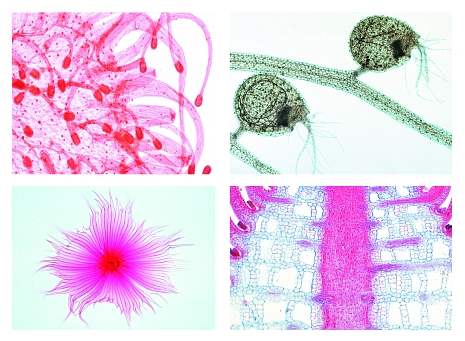
78500 Adaptación de las plantas al modo de vida - y al medio ambiente - 50 preparaciones microscópicasAdaptación a la temperatura - Ilex, c.t. de la hoja mostrando la cutícula - Aesculus, c.t. de la yema de la hoja mostrando la escama de la yema - Helecho, c.t. del rizoma subterráneo - Beta, remolacha, c.t. de una raíz subterránea de almacenamiento - Solanum, patata, c.t. de un tubérculo subterráneo - Allium, c.t. de un bulbo subterráneo de un bulbo subterráneo - Ranunculus ficaria, c.t. de un tubérculo subterráneo - Taraxacum, diente de león, c.t. de una raíz pivotante - Dentaria, c.l. de un bulbo germinal - Adaptación para ganar luz - Galium, c.t.m. de la hoja que muestra pelos trepadores - Cucurbita, c.l. del tallo que muestra tubos cribosos - Viscum album, c.t. de la hoja - Orchis, epífita, c.t. de la raíz aérea - Dischidia, c.t. de hoja de jarra mostrando la raíz - Adaptación a modos inusuales de nutrición - Rhiziphora, mangle, c.t. de raíz adventicia - Philodendron (Araceae), c.t. de raíz aérea - Liana, planta trepadora, c.t. de raíz - Cuscuta, dodder, c.t. de huésped mostrando haustorio - Viscum album, muérdago, c.t. mostrando raíz parásita en el huésped - Orchis, c.t. de raíz mostrando micorriza endotrófica - Alnus, aliso, c.t. de tubérculo mostrando actinomyces en simbiosis - Drosera, c.t. de hoja mostrando pelos glandulares - Drosera, c.t. de hoja mostrando pelos glandulares - Pinguicula, c.t.utricularia, c.m. de la vejiga - Nepenthes, c.t. del cántaro con glándulas - Dionaea, Venus flytrap, c.t. de la hoja - Adaptación al agua: Adaptación al agua: plantas hidrofíticas - Elodea, c.m. de una hoja sumergida sin estomas, - Elodea, c.t. de la hoja - Nymphaea, c.t. del tallo acuático mostrando el sistema vascular aéreo - Hippuris, c.t. del tallo mostrando cámaras de aire colocadas regularmente - Nymphaea, c.t. de la hoja mostrando cámaras de aires. de la hoja mostrando las cámaras de aire, una hoja flotante típica - Potamogeton, t.s. de la hoja - Taxodium (Cypressacea), t.s. de la raíz para la respiración - Potamogeton, t.s. del tallo acuático mostrando las cámaras de aire - Adaptación a hábitats húmedos: Plantas higrofíticas - Ruellia, c.t. de la hoja que muestra estomas elevados - Polypodium (helecho), c.t. de la hoja que muestra la modificación de la epidermis (fosa de agua) - Urtica, ortiga, c.m. de los pelos urticantes (un celular) - Myosotis palustris, c.m. de la hoja que muestra los pelos para la reserva de agua - Adaptación a hábitats secos: Plantas xerofíticas - Hedera, c.t. de una hoja perenne - Nerium, adelfa, c.t. de la hoja mostrando estomas hundidos - Hierba de las dunas, c.t. de la hoja enrollada - Verbascum, c.t. de la hoja mostrando pelos ramificados - Elaeagnus, escama de la hoja o del tallo, w.m. - Orchis, epífita, c.t. de raíz aérea - Aloe, c.t. de hoja suculenta - Sedum, c.t. de hoja suculenta - Pelargonium, c.t. de raíz suculenta - Cactus, c.t. de tallo suculento - Cactus, c.t. de hoja suculenta

Los microportaobjetos se suministran en una caja de portaobjetos.

PHYWE Systeme GmbH & Co. KG
Robert-Bosch-Breite 10 – 37079 Göttingen – Deutschland
www.phywe.com

Contact

