
Hier der vollständige Code. Geändert ist nur resolveItemUrl(), dazu kommt die neue Hilfsfunktion languagePrefix(). Die Sprache wird aus dem URL-Präfix der Druckseite übernommen, z. B. /es/. html
(function () { function textOf(el) { return (el && el.textContent || "").replace(/\s+/g, " ").trim(); } // Sprachpräfix der aktuellen Seite ermitteln, z. B. "/es" bei /es/druckseite?item=123 // Standardsprache (ohne Präfix) liefert "". function languagePrefix() { var m = window.location.pathname.match(/^\/([a-z]{2})(?=\/|$)/i); return m ? "/" + m[1].toLowerCase() : ""; } function resolveItemUrl() { var match = window.location.search.match(/[?&]item=(\d+)/); if (!match) { return null; } return window.location.origin + languagePrefix() + "/a-" + match[1] + "/"; } function loadAccordion() { var url = resolveItemUrl(); if (!url) { return Promise.resolve(null); } return new Promise(function (resolve, reject) { var xhr = new XMLHttpRequest(); xhr.open("GET", url, true); xhr.onload = function () { if (xhr.status < 200 || xhr.status >= 400) { reject(new Error("item page " + xhr.status)); return; } var doc = new DOMParser().parseFromString(xhr.responseText, "text/html"); resolve(doc.querySelector(".phywe-item-accordion")); }; xhr.onerror = function () { reject(new Error("item page network error")); }; xhr.send(); }); } function parseItemBlocks(scope, withQuantity) { if (!scope) { return []; } var rows = scope.querySelectorAll(".itemslist .row.itemblocks"); var items = []; for (var i = 0; i < rows.length; i++) { var cols = rows[i].children; if (!cols.length) { continue; } var nameLink = cols[0].querySelector("a"); var numberLink = cols[1] ? cols[1].querySelector("a") : null; var item = { name: textOf(nameLink || cols[0]), mappedTo: textOf(numberLink) }; if (withQuantity && cols[2]) { var qty = parseInt(textOf(cols[2]).replace(/[^\d]/g, ""), 10); item.quantity = isNaN(qty) ? textOf(cols[2]) : String(qty); } if (item.name) { items.push(item); } } return items; } function fillTable(tableId, items, withQuantity) { var table = document.getElementById(tableId); if (!table || !items.length) { return; } var tbody = table.querySelector("tbody"); for (var i = 0; i < items.length; i++) { var tr = document.createElement("tr"); var nameTd = document.createElement("td"); nameTd.style.width = "80%"; nameTd.textContent = items[i].name; tr.appendChild(nameTd); var numberTd = document.createElement("td"); numberTd.textContent = items[i].mappedTo; tr.appendChild(numberTd); if (withQuantity) { var qtyTd = document.createElement("td"); qtyTd.textContent = items[i].quantity || ""; tr.appendChild(qtyTd); } tbody.appendChild(tr); } var wrapper = table.parentElement; while (wrapper && wrapper.className.indexOf("printtablediv") === -1) { wrapper = wrapper.parentElement; } if (wrapper) { wrapper.style.display = ""; } } function stepTitle(stepEl) { if (!stepEl) { return ""; } var titleEl = stepEl.querySelector(".card-header button div") || stepEl.querySelector(".card-header button"); return textOf(titleEl); } function setHeadline(tableId, title) { var headline = document.querySelector("#" + tableId + " .printtableheadline"); if (headline && title) { headline.textContent = title; } } function parseMedia(scope) { if (!scope) { return []; } var rows = scope.querySelectorAll(".itemslist .row.itemblocks"); var items = []; for (var i = 0; i < rows.length; i++) { var cols = rows[i].children; if (!cols.length) { continue; } var nameLink = cols[0].querySelector("a"); var fileLink = cols[1] ? cols[1].querySelector("a") : null; var item = { name: textOf(nameLink || cols[0]), mappedTo: textOf(fileLink || cols[1]), quantity: cols[2] ? textOf(cols[2]) : "" }; if (item.name) { items.push(item); } } return items; } function fillFromAccordion(accordion) { if (!accordion) { return; } var versucheStep = accordion.querySelector('[data-step="versuche"]'); var versuche = parseItemBlocks(versucheStep, false); setHeadline("print-versuche", stepTitle(versucheStep)); fillTable("print-versuche", versuche, false); var lieferumfangStep = accordion.querySelector('[data-step="lieferumfang"]'); var lieferumfang = parseItemBlocks(lieferumfangStep, true); fillTable("print-lieferumfang", lieferumfang, true); var zubehoer = accordion.querySelector('[data-step="zubehoer"]'); var sections = zubehoer ? zubehoer.querySelectorAll(".card-body") : []; var notwendig = []; var empfohlen = []; for (var i = 0; i < sections.length; i++) { var items = parseItemBlocks(sections[i], false); if (sections[i].querySelector(".text-red, .icon-warning-black")) { notwendig = items; } else if (sections[i].querySelector(".text-green, .icon-Mehrwert_black")) { empfohlen = items; } } fillTable("print-zubehoer-notwendig", notwendig, false); fillTable("print-zubehoer-empfohlen", empfohlen, false); var mediaStep = accordion.querySelector('[data-step="media"]'); var media = parseMedia(mediaStep); setHeadline("print-media", stepTitle(mediaStep)); fillTable("print-media", media, true); } function start() { var itemUrl = resolveItemUrl(); if (!itemUrl) { setTimeout(function () { window.print(); }, 2000); return; } loadAccordion() .then(function (accordion) { fillFromAccordion(accordion); }) .catch(function (err) { if (window.console && console.warn) { console.warn("Accordion konnte nicht geladen werden:", itemUrl, err); } }) .then(function () { setTimeout(function () { window.print(); }, 500); }); } if (document.readyState === "loading") { document.addEventListener("DOMContentLoaded", start); } else { start(); } })();
 

Datos técnicos


Nº de artículo LIE-78100
Funciones y uso

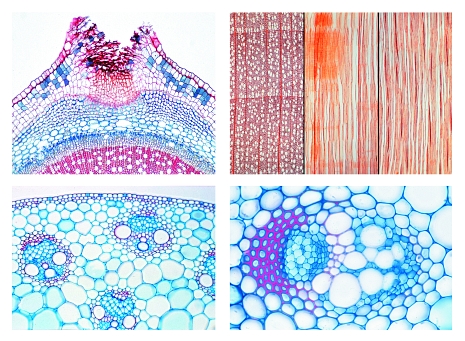
78100 Angiospermae, Tallos. - 20 preparaciones microscópicas - 1. Tulipa, c.t. de tallo típico de monocotiledónea con haces dispersos 2. Aristolochia, c.t. de tallo de un año, de dos años y de más edad, los tres en la preparación 2. Aristolochia, c.t. de tallo de un año, tallo de dos años y tallo más viejo, los 3 en la diapositiva 3. Tulipa, c.t. de tallo típico de monocotiledónea con manojos dispersos Tallo de dicotiledónea y monocotiledónea, c.t. de Helianthus y Canna 4. Tallo de dicotiledóneas y monocotiledóneas, c.t. de Ranunculus y Zea 5. Tilia, tilo, dos c.t. de tallos, primer año y dos años 6. 6. Fagus silvatica, haya, tres secciones de madera, t.s., r.l.s., t.l.s. 7. Fraxinus excelsior, fresno, tres secciones de madera, t.s., r.l.s., t.l.s. 8. Quercus, roble, c.t. del tallo mostrando el cambium y la corteza 9. Sambucus, saúco, c.t. de la corteza mostrando las lenticelas 10. Linum, lino, c.t. del tallo mostrando las fibras de la cáscara 11. 11. Linum, lino, fibras de cáscara aisladas, m.e. Ranunculus, c.l. del tallo herbáceo 13. 13. Cucurbita pepo, a lo largo del tallo con tubos de cribado. Placas cribosas en vista superior, al lado del tallo de Cucurbita 15. Lamium, c.t. del tallo cuadrado, colénquima 16. Secale, centeno, c.t. de un tallo típico de hierba 17. Nymphaea, lirio de agua, c.t. de tallo acuático, células espiculares 18. 18. Hippuris, c.t. de tallo acuático típico con gran médula central Urtica, ortiga, pelos urticantes con conductos venenosos 20. Solanum tuberosum, patata, c.t. del tubérculo con granos de almidón y corcho

Las micro-láminas se suministran en una caja de láminas.

PHYWE Systeme GmbH & Co. KG
Robert-Bosch-Breite 10 – 37079 Göttingen – Deutschland
www.phywe.com

Contact

