Hier der vollständige Code. Geändert ist nur resolveItemUrl(), dazu kommt die neue Hilfsfunktion languagePrefix(). Die Sprache wird aus dem URL-Präfix der Druckseite übernommen, z. B. /es/. html
(function () { function textOf(el) { return (el && el.textContent || "").replace(/\s+/g, " ").trim(); } // Sprachpräfix der aktuellen Seite ermitteln, z. B. "/es" bei /es/druckseite?item=123 // Standardsprache (ohne Präfix) liefert "". function languagePrefix() { var m = window.location.pathname.match(/^\/([a-z]{2})(?=\/|$)/i); return m ? "/" + m[1].toLowerCase() : ""; } function resolveItemUrl() { var match = window.location.search.match(/[?&]item=(\d+)/); if (!match) { return null; } return window.location.origin + languagePrefix() + "/a-" + match[1] + "/"; } function loadAccordion() { var url = resolveItemUrl(); if (!url) { return Promise.resolve(null); } return new Promise(function (resolve, reject) { var xhr = new XMLHttpRequest(); xhr.open("GET", url, true); xhr.onload = function () { if (xhr.status < 200 || xhr.status >= 400) { reject(new Error("item page " + xhr.status)); return; } var doc = new DOMParser().parseFromString(xhr.responseText, "text/html"); resolve(doc.querySelector(".phywe-item-accordion")); }; xhr.onerror = function () { reject(new Error("item page network error")); }; xhr.send(); }); } function parseItemBlocks(scope, withQuantity) { if (!scope) { return []; } var rows = scope.querySelectorAll(".itemslist .row.itemblocks"); var items = []; for (var i = 0; i < rows.length; i++) { var cols = rows[i].children; if (!cols.length) { continue; } var nameLink = cols[0].querySelector("a"); var numberLink = cols[1] ? cols[1].querySelector("a") : null; var item = { name: textOf(nameLink || cols[0]), mappedTo: textOf(numberLink) }; if (withQuantity && cols[2]) { var qty = parseInt(textOf(cols[2]).replace(/[^\d]/g, ""), 10); item.quantity = isNaN(qty) ? textOf(cols[2]) : String(qty); } if (item.name) { items.push(item); } } return items; } function fillTable(tableId, items, withQuantity) { var table = document.getElementById(tableId); if (!table || !items.length) { return; } var tbody = table.querySelector("tbody"); for (var i = 0; i < items.length; i++) { var tr = document.createElement("tr"); var nameTd = document.createElement("td"); nameTd.style.width = "80%"; nameTd.textContent = items[i].name; tr.appendChild(nameTd); var numberTd = document.createElement("td"); numberTd.textContent = items[i].mappedTo; tr.appendChild(numberTd); if (withQuantity) { var qtyTd = document.createElement("td"); qtyTd.textContent = items[i].quantity || ""; tr.appendChild(qtyTd); } tbody.appendChild(tr); } var wrapper = table.parentElement; while (wrapper && wrapper.className.indexOf("printtablediv") === -1) { wrapper = wrapper.parentElement; } if (wrapper) { wrapper.style.display = ""; } } function stepTitle(stepEl) { if (!stepEl) { return ""; } var titleEl = stepEl.querySelector(".card-header button div") || stepEl.querySelector(".card-header button"); return textOf(titleEl); } function setHeadline(tableId, title) { var headline = document.querySelector("#" + tableId + " .printtableheadline"); if (headline && title) { headline.textContent = title; } } function parseMedia(scope) { if (!scope) { return []; } var rows = scope.querySelectorAll(".itemslist .row.itemblocks"); var items = []; for (var i = 0; i < rows.length; i++) { var cols = rows[i].children; if (!cols.length) { continue; } var nameLink = cols[0].querySelector("a"); var fileLink = cols[1] ? cols[1].querySelector("a") : null; var item = { name: textOf(nameLink || cols[0]), mappedTo: textOf(fileLink || cols[1]), quantity: cols[2] ? textOf(cols[2]) : "" }; if (item.name) { items.push(item); } } return items; } function fillFromAccordion(accordion) { if (!accordion) { return; } var versucheStep = accordion.querySelector('[data-step="versuche"]'); var versuche = parseItemBlocks(versucheStep, false); setHeadline("print-versuche", stepTitle(versucheStep)); fillTable("print-versuche", versuche, false); var lieferumfangStep = accordion.querySelector('[data-step="lieferumfang"]'); var lieferumfang = parseItemBlocks(lieferumfangStep, true); fillTable("print-lieferumfang", lieferumfang, true); var zubehoer = accordion.querySelector('[data-step="zubehoer"]'); var sections = zubehoer ? zubehoer.querySelectorAll(".card-body") : []; var notwendig = []; var empfohlen = []; for (var i = 0; i < sections.length; i++) { var items = parseItemBlocks(sections[i], false); if (sections[i].querySelector(".text-red, .icon-warning-black")) { notwendig = items; } else if (sections[i].querySelector(".text-green, .icon-Mehrwert_black")) { empfohlen = items; } } fillTable("print-zubehoer-notwendig", notwendig, false); fillTable("print-zubehoer-empfohlen", empfohlen, false); var mediaStep = accordion.querySelector('[data-step="media"]'); var media = parseMedia(mediaStep); setHeadline("print-media", stepTitle(mediaStep)); fillTable("print-media", media, true); } function start() { var itemUrl = resolveItemUrl(); if (!itemUrl) { setTimeout(function () { window.print(); }, 2000); return; } loadAccordion() .then(function (accordion) { fillFromAccordion(accordion); }) .catch(function (err) { if (window.console && console.warn) { console.warn("Accordion konnte nicht geladen werden:", itemUrl, err); } }) .then(function () { setTimeout(function () { window.print(); }, 500); }); } if (document.readyState === "loading") { document.addEventListener("DOMContentLoaded", start); } else { start(); } })();
 

Datos técnicos


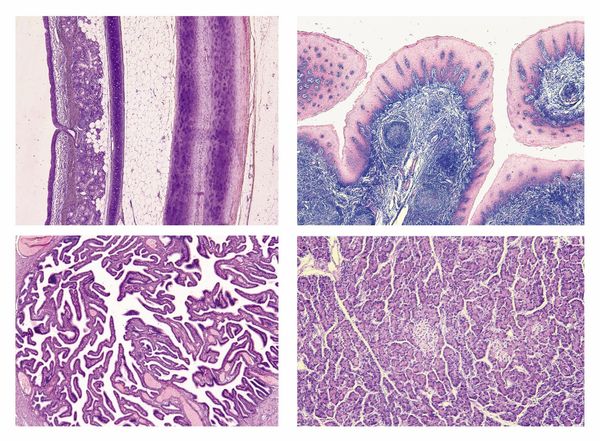
Histología humana, set completo de 100 muestras con tinción.

Nº de artículo LIE-79500

Funciones y uso

79500 Histología humana normal, juego completo especial de 100 portaobjetos. Mayormente teñidas con Hematoxilina-Eosina (HE) hermosa y clara. - Tejidos - Epitelio escamoso, células aisladas de boca humana, frotis - Epitelio escamoso estratificado, no cornificado, sección de esófago - Epitelio columnar simple, en sec. de túbulos secretores de riñón humano - Epitelio columnar simple ciliado, en s.t. epitelio cuboidal simple, en la sección de la glándula tiroides humana - Epitelio de transición, en la sección de la vejiga humana - Epitelio glandular, en la sección del colon humano con glándulas mucosas unicelulares - Tejido conjuntivo areolar, c.m. humano - Tejido conjuntivo embrionario del feto humano, sec. - Tejido adiposo, humano, sec. grasa removida para mostrar las células - Cartílago hialino, humano c.t. - Cartílago elástico amarillo, humano, sec. teñido para fibras elásticas - Cartílago fibroso blanco, humano sec. - Hueso compacto, c.t. humano - Hueso compacto, c.l. humano - Desarrollo óseo (intracartilaginoso), c.l. del dedo fetal - Desarrollo óseo (intermembranoso), c.l. vertical del cráneo fetal (hueso craneal) - Músculo estriado (esquelético), c.l. humano - Músculo estriado (esquelético), c.t. humano - Músculo liso (involuntario), c.l. y c.t. humano - Músculo cardíaco, c.l. y c.t. humanosistema respiratorio y circulatorio - Arteria, humana, c.t. teñida para fibras elásticas - Vena, humana, c.t. teñida para fibras elásticas - Aorta, humana, c.t. teñida de rutina - Frotis de sangre, humana, tinción de Wright - Tráquea, humana c.t. - Tráquea, humana c.l. - Tráquea de feto humano c.t. - Pulmón, humano, sec. teñida de rutina - Pulmón de feto humano, sec. - Sistema linfático - Ganglio linfático, humano c.t. - Amígdala (Tonsilla palatina), humano c.t. - Bazo, humano c.t. - Médula ósea, humano c.t. - Timo de niño humano, c.t. - Glándulas endocrinas - Glándula tiroidea (Gl. thyreoidea), humano c.t.s. - Glándula suprarrenal (Gl. suprarenalis), humana t.s. - Glándula pituitaria (Hipófisis), humana t.s. - Cuerpo pineal (Epífisis), humana t.s. - Sistema digestivo - Labio, humano vertical l.s. - Diente, humano, t.s. de la corona - Diente, humano, l.diente, humano, c.t. de la corona - Diente, humano, c.t. de todo el espécimen - Desarrollo del diente del feto humano, fase media c.t. - Lengua, humano, c.t. con papilas filiformes - Lengua, humano, c.t. con papilas fungiformes - Paladar blando, humano c.t. - Esófago, humano c.t. - Estómago, región fúndica, c.t. humano - Duodeno, c.t. humano - Yeyuno, c.t. humano - Íleo, c.t. humano - Apéndice vermiforme, c.t. humano - Colon, c.t. humano - Glándula parótida (Gl. parotis), c.t. humano - Glándula submaxilar (Gl. submandibularis), c.t. humana - Páncreas, c.t. humana - Hígado, c.t. humana - Vesícula biliar, c.t. humana - Sistema excretor - Riñón, c.t. humana - Papila renal, c.t. humana - Riñón de feto humano, c.t. - Uréter, c.t. humana - Vejiga urinaria, c.t. humanas. - Uretra, parte prostática, c.t. humana - Sistema reproductor - Ovario, maduro, c.t. humana - Ovario con cuerpo lúteo, c.t. humana - Oviducto (trompa de Falopio), c.t. en la región de la ampolla - Útero, humano, fase proliferativa c.t.

s. - Útero, humano,

embarazado (grávido), c.t. - Placenta, humano c.t. - Cordón umbilical (cuerda del ombligo), humano c.t. - Vagina, humano c.t. - Testículo de niño humano, c.t. - Testículo de adulto humano,

ampolla

madura

- Útero, humano, fase proliferativa c.t.útero, humano, embarazada (grávido), c.t. - Placenta, humano c.t. - Cordón umbilical (cordón umbilical), humano c.t. - Vagina, humano c.t. - Testículo de niño humano, c.t. - Testículo de adulto humano, maduro

Los microportaobjetos se suministran en una caja de portaobjetos.

PHYWE Systeme GmbH & Co. KG
Robert-Bosch-Breite 10 – 37079 Göttingen – Deutschland
www.phywe.com

Contact