 Phywe::Template.serviceIconText
Hier der vollständige Code. Geändert ist nur resolveItemUrl(), dazu kommt die neue Hilfsfunktion languagePrefix(). Die Sprache wird aus dem URL-Präfix der Druckseite übernommen, z. B. /es/.
html
(function () {
function textOf(el) {
return (el && el.textContent || "").replace(/\s+/g, " ").trim();
}
// Sprachpräfix der aktuellen Seite ermitteln, z. B. "/es" bei /es/druckseite?item=123
// Standardsprache (ohne Präfix) liefert "".
function languagePrefix() {
var m = window.location.pathname.match(/^\/([a-z]{2})(?=\/|$)/i);
return m ? "/" + m[1].toLowerCase() : "";
}
function resolveItemUrl() {
var match = window.location.search.match(/[?&]item=(\d+)/);
if (!match) {
return null;
}
return window.location.origin + languagePrefix() + "/a-" + match[1] + "/";
}
function loadAccordion() {
var url = resolveItemUrl();
if (!url) {
return Promise.resolve(null);
}
return new Promise(function (resolve, reject) {
var xhr = new XMLHttpRequest();
xhr.open("GET", url, true);
xhr.onload = function () {
if (xhr.status < 200 || xhr.status >= 400) {
reject(new Error("item page " + xhr.status));
return;
}
var doc = new DOMParser().parseFromString(xhr.responseText, "text/html");
resolve(doc.querySelector(".phywe-item-accordion"));
};
xhr.onerror = function () {
reject(new Error("item page network error"));
};
xhr.send();
});
}
function parseItemBlocks(scope, withQuantity) {
if (!scope) {
return [];
}
var rows = scope.querySelectorAll(".itemslist .row.itemblocks");
var items = [];
for (var i = 0; i < rows.length; i++) {
var cols = rows[i].children;
if (!cols.length) {
continue;
}
var nameLink = cols[0].querySelector("a");
var numberLink = cols[1] ? cols[1].querySelector("a") : null;
var item = {
name: textOf(nameLink || cols[0]),
mappedTo: textOf(numberLink)
};
if (withQuantity && cols[2]) {
var qty = parseInt(textOf(cols[2]).replace(/[^\d]/g, ""), 10);
item.quantity = isNaN(qty) ? textOf(cols[2]) : String(qty);
}
if (item.name) {
items.push(item);
}
}
return items;
}
function fillTable(tableId, items, withQuantity) {
var table = document.getElementById(tableId);
if (!table || !items.length) {
return;
}
var tbody = table.querySelector("tbody");
for (var i = 0; i < items.length; i++) {
var tr = document.createElement("tr");
var nameTd = document.createElement("td");
nameTd.style.width = "80%";
nameTd.textContent = items[i].name;
tr.appendChild(nameTd);
var numberTd = document.createElement("td");
numberTd.textContent = items[i].mappedTo;
tr.appendChild(numberTd);
if (withQuantity) {
var qtyTd = document.createElement("td");
qtyTd.textContent = items[i].quantity || "";
tr.appendChild(qtyTd);
}
tbody.appendChild(tr);
}
var wrapper = table.parentElement;
while (wrapper && wrapper.className.indexOf("printtablediv") === -1) {
wrapper = wrapper.parentElement;
}
if (wrapper) {
wrapper.style.display = "";
}
}
function stepTitle(stepEl) {
if (!stepEl) {
return "";
}
var titleEl = stepEl.querySelector(".card-header button div") || stepEl.querySelector(".card-header button");
return textOf(titleEl);
}
function setHeadline(tableId, title) {
var headline = document.querySelector("#" + tableId + " .printtableheadline");
if (headline && title) {
headline.textContent = title;
}
}
function parseMedia(scope) {
if (!scope) {
return [];
}
var rows = scope.querySelectorAll(".itemslist .row.itemblocks");
var items = [];
for (var i = 0; i < rows.length; i++) {
var cols = rows[i].children;
if (!cols.length) {
continue;
}
var nameLink = cols[0].querySelector("a");
var fileLink = cols[1] ? cols[1].querySelector("a") : null;
var item = {
name: textOf(nameLink || cols[0]),
mappedTo: textOf(fileLink || cols[1]),
quantity: cols[2] ? textOf(cols[2]) : ""
};
if (item.name) {
items.push(item);
}
}
return items;
}
function fillFromAccordion(accordion) {
if (!accordion) {
return;
}
var versucheStep = accordion.querySelector('[data-step="versuche"]');
var versuche = parseItemBlocks(versucheStep, false);
setHeadline("print-versuche", stepTitle(versucheStep));
fillTable("print-versuche", versuche, false);
var lieferumfangStep = accordion.querySelector('[data-step="lieferumfang"]');
var lieferumfang = parseItemBlocks(lieferumfangStep, true);
fillTable("print-lieferumfang", lieferumfang, true);
var zubehoer = accordion.querySelector('[data-step="zubehoer"]');
var sections = zubehoer ? zubehoer.querySelectorAll(".card-body") : [];
var notwendig = [];
var empfohlen = [];
for (var i = 0; i < sections.length; i++) {
var items = parseItemBlocks(sections[i], false);
if (sections[i].querySelector(".text-red, .icon-warning-black")) {
notwendig = items;
} else if (sections[i].querySelector(".text-green, .icon-Mehrwert_black")) {
empfohlen = items;
}
}
fillTable("print-zubehoer-notwendig", notwendig, false);
fillTable("print-zubehoer-empfohlen", empfohlen, false);
var mediaStep = accordion.querySelector('[data-step="media"]');
var media = parseMedia(mediaStep);
setHeadline("print-media", stepTitle(mediaStep));
fillTable("print-media", media, true);
}
function start() {
var itemUrl = resolveItemUrl();
if (!itemUrl) {
setTimeout(function () {
window.print();
}, 2000);
return;
}
loadAccordion()
.then(function (accordion) {
fillFromAccordion(accordion);
})
.catch(function (err) {
if (window.console && console.warn) {
console.warn("Accordion konnte nicht geladen werden:", itemUrl, err);
}
})
.then(function () {
setTimeout(function () {
window.print();
}, 500);
});
}
if (document.readyState === "loading") {
document.addEventListener("DOMContentLoaded", start);
} else {
start();
}
})();

Datos técnicos Olarización por refracciónNº de artículo P1197200 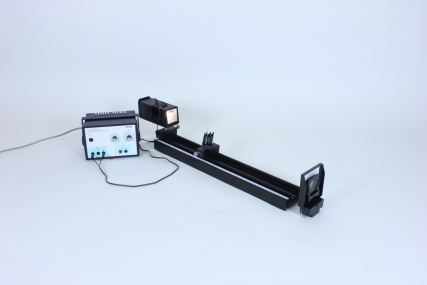 Principio Si la luz incide sobre una superficie de vidrio, una parte de esa luz se refracta y la otra se refleja. Al mismo tiempo, se polariza de tal manera que el vector de la intensidad del campo eléctrico de la luz reflejada polarizada oscila en ángulo recto con respecto al plano de incidencia, y el de la luz refractada oscila paralelo al plano de incidencia. La polarización de la luz refractada será mayor cuanto menos se desvíe el ángulo de incidencia de 56° y cuantas más placas de vidrio atraviese. Ventajas
Tareas
| ||||||||||||
PHYWE Systeme GmbH & Co. KG
Robert-Bosch-Breite 10 – 37079 Göttingen – Deutschland
www.phywe.com
Robert-Bosch-Breite 10 – 37079 Göttingen – Deutschland
www.phywe.com